
NAIDOC Week magic with Masepah Banu
Every year NAIDOC Week creates a little magic across the country, bringing communities together to celebrate Aboriginal and Torres Strait Islander excellence.
But that magic doesn't happen by itself.
Behind the scenes, the National NAIDOC Committee works year-round to bring together the collective energy of governments, businesses and communities, helping turn ideas into a celebration that matters.
Brisbane local Masepah Banu, or Mas as he likes to be called, is the only Queensland representative on the 10-member National NAIDOC Committee.
We caught up with Mas, now in his second year on the committee, to uncover some of the magic behind NAIDOC Week and to learn more about how it all happens.
Q&A with Mas
Q: Firstly, who’s your Mob?
A: I’m a proud Malu Kiwai Boigu and Mua Islander from Zenadth Kes (the Torres Strait Islands), with Aboriginal ancestral connections to Mapoon in western Cape York. My culture, family and community have shaped who I am, and they continue to guide both my personal and professional journey.
I’m passionate about creating opportunities that empower First Nations peoples while ensuring our cultures, languages and knowledge systems continue to thrive for future generations.
Q: Tell us about your role on the National NAIDOC Committee? Which aspect of your work on the committee makes you most proud?
A: As the Queensland representative on the National NAIDOC Committee, I work alongside fellow committee members to help guide the direction of NAIDOC Week.
Our responsibilities include selecting the annual theme, the NAIDOC Award recipients, the NAIDOC Poster Competition winner, and supporting the planning of national celebrations that recognise and celebrate the achievements, histories and cultures of Aboriginal and Torres Strait Islander peoples.
What I'm proudest of is being able to contribute a Torres Strait Islander perspective to national conversations while advocating for strong community engagement across Queensland.
It's a privilege to help ensure NAIDOC continues to celebrate the diversity of First Nations peoples and provides opportunities for communities to share their stories with pride.
Q: Why is it important to have strong state-based voices and what perspectives do you bring from Queensland?
A: Queensland is home to an incredible diversity of Aboriginal Nations and the Torres Strait Islands, each with distinct cultures, histories and priorities. Having strong state-based representation helps ensure this diversity is reflected in national decision-making rather than taking a one-size-fits-all approach.
I bring perspectives from communities across Queensland, including regional, remote and urban settings, as well as the unique voices of Torres Strait Islander peoples. Through my work across government, business and community sectors, I have seen the importance of self-determination, economic empowerment and community-led solutions, and I strive to bring those experiences into the work of the committee.
Masepah Banu
"Be proud of who you are and where you come from. Your culture is your greatest strength, and your identity is something to celebrate every day."
—Queensland representative, National NAIDOC Committee
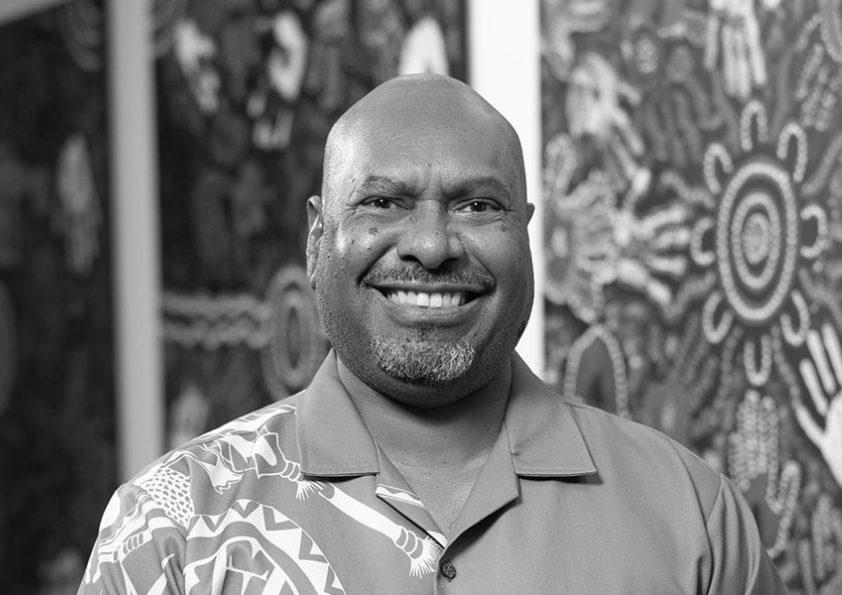 Image supplied
Q: Why is it important to recognise and celebrate Torres Strait Islander peoples as part of NAIDOC, and how does this shape the week’s significance?
A: NAIDOC celebrates both Aboriginal and Torres Strait Islander peoples, recognising two distinct First Nations cultures that each have their own histories, languages, customs and identities. It is important that Torres Strait Islander stories are visible because they contribute to the richness and diversity of Australia's First Nations cultures.
For me, ensuring Torres Strait Islander representation is about acknowledging our enduring connection to sea Country, our languages, cultural practices and our ongoing contributions to Australia.
When both Aboriginal and Torres Strait Islander cultures are celebrated together, NAIDOC becomes a stronger and more inclusive national celebration.
Q: How do you hope the broader community engages with and learns from NAIDOC Week?
A: I hope people see NAIDOC Week as more than a single week of celebration. It is an opportunity to listen, learn and build respectful relationships with First Nations communities.
I encourage people to attend local events, hear directly from Aboriginal and Torres Strait Islander peoples, support First Nations businesses, artists and organisations, and take time to learn about the Traditional Custodians of the Country where they live or work.
Genuine engagement creates greater understanding and helps strengthen relationships that continue well beyond NAIDOC Week.
Q: What message can you share with young Aboriginal and Torres Strait Islander people about leadership and cultural pride?
A: Be proud of who you are and where you come from. Your culture is your greatest strength, and your identity is something to celebrate every day.
Leadership is not defined by a title— it's defined by your character, how you conduct yourself, and the way you serve your family, community and those around you. Stay connected to your Elders, listen to their wisdom, and continue learning your language, culture and traditions.
At the same time, equip yourself with the knowledge and skills to succeed in today's world. Learn about financial literacy, investing, home ownership, business and wealth creation so you can build generational prosperity for your family and community. Take an interest in politics and decision-making, because the policies made today shape the opportunities available to our people tomorrow.
Never underestimate the power of your voice. Our future depends on the next generation carrying forward our stories, protecting our cultures, and creating new pathways for those who follow. Walk confidently in both worlds, grounded in your culture while embracing education, leadership and opportunity. Your heritage is not only something to be proud of— it is the foundation upon which you can build a strong future for yourself, your family and the generations to come.
 This work is licensed under a Creative Commons Attribution 4.0 International (CC BY 4.0) licence